Finding Your Center in a Rapidly Changing World

You’re not alone if you feel like life keeps moving faster and faster. Have you ever caught yourself wishing for a pause button, just to breathe and catch up? Many people share this experience:
33% of adults reported feeling overwhelmed last month.
76% experienced at least one symptom of stress, like headaches, fatigue, or anxiety.
Findings | Description |
|---|---|
Stress and Societal Change | Stress rises during societal crises, leading to more anxiety and depression. |
Being in a fast lane world can leave you feeling scattered, but you can find your center. Let’s explore how.
Key Takeaways
Feeling overwhelmed is common; 76% of adults experience stress symptoms. Recognizing this can help you seek support.
Information overload can lead to burnout. Take breaks from screens and social media to recharge your mind.
Grounding yourself means connecting with your true self. Use techniques like mindful breathing to stay present.
Establish morning and evening routines to create stability. Simple actions can set a positive tone for your day.
Mindfulness helps you slow down. Practice intentional pauses to reset your mind and reduce stress.
Building community is vital. Connect with friends or join groups to enhance your support system.
Journaling can clarify your thoughts. Write down feelings to understand and manage your emotions better.
Small, intentional changes lead to resilience. Start with one grounding practice today to improve your well-being.
Challenges of Being in a Fast Lane World
You probably notice how being in a fast lane world can leave you feeling like you’re always racing against the clock. The constant rush, endless notifications, and pressure to keep up can make it hard to catch your breath. Let’s break down what’s really happening when life moves at this speed.
The Fast-Paced World’s Impact
Information Overload
Every day, you face a flood of information. News, social media, emails, and texts never seem to stop. This overload can make your mind feel cluttered and tired. You might find it hard to focus or remember things. Living in a fast-paced world means your brain rarely gets a break, which can lead to burnout. Burnout drains your energy and motivation, making even simple tasks feel impossible.
Urban life adds even more stress. Overcrowding, pollution, and noise can wear you down.
Digital dependency, especially on social media, often makes you compare yourself to others. This can create feelings of anxiety and not being good enough.
Spending too much time online can also lead to social isolation, which hurts your mental health.
Societal Pressure
Being in a fast lane world means you feel pressure to succeed, look perfect, and stay busy. You might worry about falling behind or not meeting expectations. Economic stress, job demands, and the need to always be “on” can make you feel like you’re never doing enough. This constant push can chip away at your confidence and peace of mind.
“You don’t have to do it all. It’s okay to slow down and take care of yourself.”
Emotional Effects
Anxiety and Stress
When you live in a fast-paced world, your body and mind stay on high alert. You may notice more headaches, trouble sleeping, or a racing heart. Studies show that people in fast-paced jobs or cities have higher rates of anxiety and stress. These feelings can make it hard to relax or enjoy life. If you don’t find ways to reduce anxiety, it can lead to bigger health problems over time.
Evidence Description | Impact on Mental Health Outcomes |
|---|---|
Urban dwellers experience higher rates of mental illnesses such as mood disorders, anxiety, and substance use disorders. | Increased vulnerability to mental health issues due to poor housing, overcrowding, and limited access to green spaces. |
The societal pace affects time perception, leading to heightened stress and anxiety. | A pervasive sense of urgency contributes to feelings of being overwhelmed. |
Changes in brain neurobiology due to constant environmental stressors. | Increased activity in the amygdala linked to fear and stress, leading to anxiety and emotional regulation issues. |
Excessive sensory input and psychological stress manifest as fatigue and disrupted sleep patterns. | Symptoms like irritability and mood swings can lead to serious mental health conditions if unaddressed. |
Disconnection
Being in a fast lane world can make you feel alone, even when you’re surrounded by people. You might notice that real conversations happen less often. Many people report feeling lonely, especially as life gets busier and more digital. Over the years, loneliness has become more common, with nearly a quarter of people worldwide feeling very lonely or fairly lonely. Remote work, economic worries, and rapid changes in society can make you feel even more isolated.
Mood swings and emotional ups and downs are common. You might feel happy one moment and sad the next.
Disconnection can lead to overreactions or feeling irritable for no clear reason.
If you recognize these challenges, you’re not alone. Being in a fast lane world affects almost everyone at some point. The good news? You can learn ways to find your center and feel more grounded, even when life moves fast.
The Meaning of Staying Grounded

You might hear people talk about staying grounded, but what does that really mean? In a world that moves at lightning speed, grounding yourself means finding a steady place inside, no matter what’s happening around you. When you stay grounded, you connect with your true self and the present moment. This helps you handle stress, make better choices, and protect your well-being.
What Does Grounded Mean?
Self-Connection
Being grounded starts with self-connection. You pay attention to your thoughts, feelings, and body. You notice when you feel tense or calm. In psychology, grounding techniques help you focus on the here and now. These methods can include touching the ground, repeating your name, or simply noticing your breath. When you practice these techniques, you bring your mind back from worries about the past or future. You feel more in control and less overwhelmed.
Purpose Beyond Ambition
Staying grounded also means knowing your purpose goes beyond chasing goals or achievements. You recognize what truly matters to you. Instead of letting outside pressure guide your actions, you listen to your own values. This gives you a sense of direction that doesn’t depend on success or failure. You find meaning in small moments, not just big wins.
“When you know who you are and what you stand for, you can weather any storm.”
Benefits of Being Grounded
Emotional Steadiness
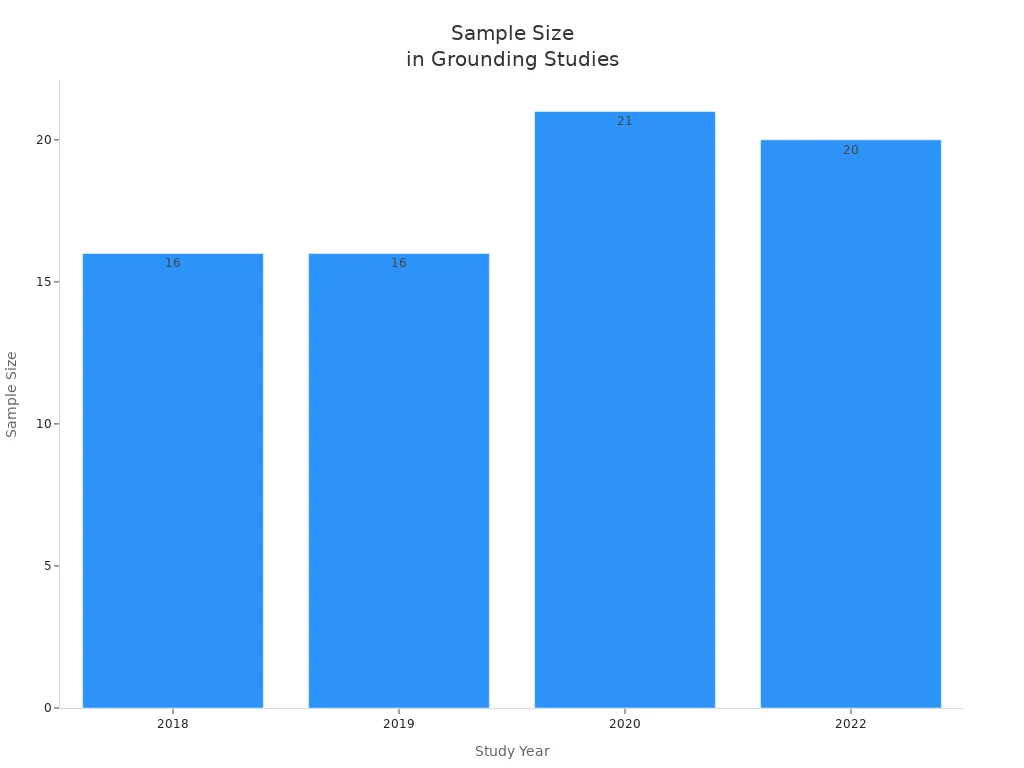
When you stay grounded, you build emotional steadiness. You react less to stress and bounce back faster from setbacks. Scientists have found that grounding can lower stress, reduce anxiety, and even help with pain and fatigue. Take a look at some of the benefits found in recent studies:
Study Focus | Findings | Notes |
|---|---|---|
Inflammation | Decreased indicators of inflammation | Suggests grounding may reduce inflammation |
Blood Flow | Lower blood viscosity in participants | Higher viscosity linked to various health issues |
Sleep | Lower nighttime cortisol levels | Aligns hormone levels with natural circadian rhythm |
Anxiety | Improved stress levels in small trials | Suggests grounding may alleviate anxiety symptoms |
You might also notice better sleep, improved mood, and a stronger sense of well-being. These changes help you handle life’s ups and downs with more resilience.
Awareness of Your Journey
Grounding yourself brings clarity and awareness to your daily life. You become more mindful of your choices and actions. Instead of running on autopilot, you pause and reflect. This awareness helps you see where you are on your journey and where you want to go. You make decisions with intention, not just out of habit.
Here are some simple ways to practice staying grounded:
Hold an object and focus on its texture and weight.
Feel your feet press into the floor or ground.
Ask yourself grounding questions like, “What do I see? What do I hear?”
Repeat a positive statement, such as, “This feeling will pass.”
Try mindful breathing for three minutes to center yourself.
When you make these practices part of your routine, you support your well-being and foster resilience. You gain clarity, manage stress, and feel more balanced, even when life gets hectic.
Tip: Want more support on your journey? Join a workshop or sign up for the mailing list at MichelleSalinas.co for more tools on enhancing well-being and resilience.
Mindfulness in a Fast-Paced World

You might feel like your mind races from one thing to the next. Mindfulness can help you slow down and find your center. When you practice mindfulness, you bring your attention to the present moment. This simple shift can change how you handle stress and chaos.
Practicing Presence
Mindful Breathing
Mindful breathing is a powerful tool for grounding. You can use it anywhere—at your desk, in the car, or before a meeting. Take a slow, deep breath in. Feel the air fill your lungs. Let it out gently. Notice how your body feels. This small act brings you back to the present. Practicing mindfulness through breathing helps you reset your mind and body.
Other mindfulness tools you can try include:
Body scan exercise: Check in with each part of your body and release tension.
Mindful listening: Focus fully on the person speaking to you.
Mini meditation sessions: Spend two to five minutes focusing on your breath or a calming word.
These practices help you build the quality of presence. You start to notice your thoughts and feelings without judgment.
Intentional Pauses
You can create intentional pauses in your day. Stop for a moment before you answer a text or email. Take a breath before you walk into a room. These pauses give you space to respond instead of react. They help you stay steady, even when life feels busy.
Tip: Try setting a reminder on your phone to pause and breathe every hour. Small pauses add up to big changes.
Acceptance and Growth
Embracing Your Situation
Mindfulness is not just about breathing or meditation. It also means accepting where you are right now. When you embrace your situation, you stop fighting against things you cannot change. This acceptance brings peace and helps you grow.
Slowing down can feel strange at first, but it has real benefits. People who slow down make better decisions and build deeper connections. You avoid burnout and support your mental well-being. Many people now follow the slowmaxxing movement, which encourages you to focus on your needs instead of rushing through life.
Letting Go of Control
Letting go of control is part of cultivating presence. You do not have to manage everything. Mindful engagement with daily activities—like eating, walking, or even resting—can make your body healthier and your mind stronger. These intentional practices help you become more resilient.
Mindful eating: Savor each bite and notice flavors.
Mindful movement: Pay attention to how your body feels as you walk or stretch.
Mindful sleep: Create a calm bedtime routine and notice how you feel as you drift off.
Mindfulness gives you the space to breathe, reflect, and grow. You can start small. Try one practice today and notice how you feel.
Want more support? Join a workshop or sign up for the mailing list at MichelleSalinas.co for more mindfulness tools and tips on well-being.
Power of Personal Anchoring
You might wonder how you can stay steady when everything around you keeps changing. The power of personal anchoring lies in the small, meaningful actions you choose each day. These actions help you create a sense of stability and comfort, even when life feels unpredictable.
Creating Grounded Rituals
Rituals are more than just habits. When you give meaning to your routines, they become anchors that help you feel safe and in control. You can use these rituals to mark the start and end of your day, or to help you move through big changes. They give you a rhythm and a sense of agency, which is so important when things feel out of your hands.
Morning and Evening Routines
Starting and ending your day with intention can make a big difference. Morning routines set the tone for your day. Evening routines help you wind down and let go of stress. These routines do not have to be complicated. Simple actions, like making your bed, stretching, or sipping tea, can help you feel grounded.
Here are a few ideas you can try:
Practice a short breathing exercise when you wake up.
Write down three things you are grateful for.
Repeat a positive affirmation in the mirror.
Read a page from a favorite book before bed.
Turn off screens and listen to calming music at night.
These small rituals create predictability. They help you feel less anxious and more resilient, even when your day does not go as planned.
Sacred Spaces
You can also create sacred spaces in your home or workplace. These do not have to be fancy. A sacred space can be a cozy chair, a corner with a plant, or a spot where you keep a favorite photo. When you spend time in this space, you remind yourself to pause and reconnect.
Try these sensory techniques to anchor yourself in the moment:
Sense | Techniques |
|---|---|
Smell | Sniff a calming essential oil, breathe in the scent of a candle, or enjoy herbal tea. |
Touch | Run your fingers along soft fabric, splash cold water on your face, or hold a piece of ice. |
Taste | Eat a flavorful treat, savor a meal, or chew peppermint gum. |
Sound | Listen to uplifting music, soothing sounds, or notice the noises around you. |
Sight | Look at art, name objects by color, or describe something you see in detail. |
Breathing | Try box breathing, 4-7-8 breathing, or guided breathwork. |
Somatic | Walk mindfully, stretch, dance, or do yoga. |
Cognitive | Describe your situation, list favorite movies, or chat with a friend. |
You can use these techniques anytime you feel overwhelmed. They help you return to the present and feel more secure.
Journaling and Reflection
Journaling is a powerful tool for anchoring yourself. When you write down your thoughts and feelings, you start to see patterns. You notice what triggers your emotions and how you react. This helps you understand yourself better and manage your feelings.
Prompts for Self-Discovery
You do not need to write a lot. A few sentences each day can help you reflect and grow. Try these prompts to get started:
What am I feeling right now?
What made me smile today?
What is one thing I want to let go of?
What do I need most at this moment?
What am I grateful for?
Journaling gives you a safe space to express yourself. It helps you organize your thoughts, especially when you feel stressed or confused. Many people struggle with managing their emotions. Writing things down can make it easier to understand and handle those feelings.
Tracking Progress
Tracking your progress is another way to stay anchored. When you look back at your journal, you see how much you have grown. You notice small wins and celebrate your achievements. This builds your confidence and helps you keep moving forward, even when things get tough.
Focusing on your growth helps you feel grounded.
Recognizing your achievements boosts your resilience.
Aligning your actions with your values gives you a sense of purpose.
Journaling and reflection help you stay true to yourself. You do not have to rely on outside approval. You find meaning in your own journey.
Tip: Want more support with anchoring practices? Join a workshop or sign up for the mailing list at Michelle Salinas.co for more tools and inspiration.
The power of personal anchoring comes from the routines and rituals you choose. These simple actions help you stay steady, no matter how fast life moves.
Staying Grounded Through Connection
You might think you have to handle everything on your own, but real strength often comes from the people around you. When you connect with others, you create a support system that helps you stay true to yourself, even when life feels overwhelming. Community and relationships give you a sense of belonging and remind you that you are not alone.
Building Community
Finding Support
You can find support in many places—family, friends, coworkers, or even online groups. Being part of a community boosts your happiness and life satisfaction. When you join in community activities, you build emotional connections that help you feel grounded. This is especially important if you work remotely or spend a lot of time alone.
Community brings more happiness and satisfaction to your life.
Taking part in group activities helps you form strong emotional bonds.
Remote workers benefit from these connections because they may miss out on in-person support.
Supportive relationships do more than just make you feel good. They help you manage stress, improve your self-esteem, and even protect your health.
Supportive relationships increase happiness and lower stress.
They boost your immunity and self-esteem.
Strong relationships reduce the risk of mental illness and heart disease.
Emotional connections release oxytocin, which lowers stress and builds trust.
People with strong support systems recover faster from illness and handle pain better.
Setting Boundaries
You might worry about losing yourself in a crowd, but setting boundaries helps you stay connected without feeling drained. Boundaries let you protect your energy and focus on what matters most. When you say no to things that do not serve you, you make space for the relationships that help you grow. This way, you do not lose sight of your own truth.
Vulnerability and Authenticity
Sharing Your Story
When you open up and share your story, you invite others to do the same. Vulnerability is not a weakness—it is a path to deeper connection and personal growth. Being honest about your struggles helps you build trust and intimacy in your relationships.
Vulnerability is key for personal growth and meaningful connections.
It deepens emotional bonds and creates a safe space for sharing.
Openness and honesty are vital for building intimacy and trust.
Practicing vulnerability leads to greater satisfaction in relationships.
Sharing your experiences, especially about mental health, can break down stigma and encourage others to seek help. Open conversations about well-being make it easier for everyone to feel accepted and supported.
Talking about your challenges encourages others to share theirs.
Normalizing vulnerability inspires people to ask for support.
Judgment-free spaces make it easier to reach out for help.
Sharing your journey helps others feel less alone and more hopeful.
Asking for Help
You do not have to carry your burdens alone. Asking for help shows courage and self-awareness. When you reach out, you give others a chance to support you, and you strengthen your connections. People who share their struggles often become role models, showing that recovery is possible and that it is okay to need help.
If you ever think, “How do I reconnect with my true self?”—start by reaching out. Let others in. You will find acceptance, understanding, and the strength to keep moving forward.
Tip: Want to deepen your connections and stay grounded? Join a workshop or sign up for the mailing list at Michelle Salinas.co for more tools and support.
Daily Grounded Practices
You might wonder how to actually stay grounded when life keeps pulling you in every direction. The answer lies in simple, daily actions that help you reconnect with yourself and the world around you. Let’s explore how you can bring more depth and calm into your routine, even when things feel chaotic.
Intentional Pauses
Deep Breaths
Start with your breath. When you feel stress building, pause and take a slow, deep breath. Inhale through your nose, hold for a moment, and exhale through your mouth. This small act resets your nervous system and brings you back to the present. You can do this anywhere—at your desk, in the car, or while waiting in line. Deep breathing lowers cortisol, the stress hormone, and helps your mind shift from panic to clarity.
Tip: Set a reminder on your phone to take three deep breaths every hour. You’ll notice a difference in your focus and mood.
Embracing Slowness
Practising slowness is a powerful way to break the cycle of overwhelm. When you choose to move and think at a slower pace, your body and mind get a chance to reset. Going slow isn’t about doing less—it’s about doing things with more depth and intention. Studies show that intentional pauses can calm the amygdala, the part of your brain that triggers fear, and activate the prefrontal cortex, which helps you make better decisions. You’ll feel more present and less reactive.
Here’s what happens when you embrace slowness:
Your nervous system resets, lowering stress.
You gain a sense of “time affluence,” which boosts your well-being.
You interrupt the stress cycle and activate your body’s relaxation response.
You don’t have to overhaul your life. Just try going slow with one task today—maybe eating breakfast, walking to school, or even brushing your teeth. Notice the depth of each moment.
Activities That Ground You
Walking
Walking is one of the simplest ways to ground yourself. Step outside and notice the world around you. Feel your feet touch the ground. Listen to the sounds—birds, wind, or even distant traffic. Walking in nature, especially among trees or near water, activates all your senses and brings a sense of calm. You might spot a street tree, watch animals move, or soak in the sunlight. These moments add depth to your day and help you recharge.
Take a walk with your dog or a friend in a park.
Observe the beauty of plants and flowers.
Wading in water or sitting close to the ground can give you a fresh perspective.
If you can’t get outside, visualize a peaceful scene in your mind. Imagine the sound of waves or the feel of grass under your feet. Visualization can ground you, even when you’re indoors.
Creative Outlets
Creative activities offer another path to groundedness. Drawing, painting, photography, or even dancing lets you express yourself and connect with the present. When you focus on creating, you enter a state of flow where worries fade away. Photography, for example, helps you notice small details and appreciate the depth of your surroundings. Gentle movement or dance releases tension and helps you reconnect with your body.
Try mindful eating by focusing on the taste, texture, and smell of your food.
Listen to soothing music or the sounds of water.
Write, doodle, or color to express your feelings.
You don’t need to be an artist. The goal is to enjoy the process and find depth in the moment.
Overcoming Setbacks
Re-centering After Disruption
Everyone faces setbacks. The key is learning how to re-center yourself when things go off track. Start by acknowledging what happened without blaming others. Give yourself a set amount of time to feel disappointed, then shift your focus to what you can learn. Reach out to friends, mentors, or a support group for empathy and advice. Active communication builds trust and helps you process tough moments.
Take a few deep breaths to calm your mind.
Write down what you learned from the experience.
Identify one small step you can take to move forward.
Prioritize self-care—rest, eat well, and spend time in nature. These actions help you regain control and restore your sense of balance.
Learning from Challenges
Setbacks are not the end of your journey. They’re opportunities for growth and depth. When you approach challenges with a growth mindset, you build emotional resilience that lasts a lifetime. Each time you overcome a struggle, you strengthen your ability to handle future stress. This skill supports your well-being, focus, and personal development.
Remember, perseverance and emotional control are just as important as academic skills. When you practice going slow and reflect on your experiences, you lay the foundation for long-term resilience.
Note: If you want more support with daily grounded practices, join a workshop or sign up for the mailing list at Michelle Salinas.co. You’ll find tools, inspiration, and a community that values depth and well-being.
Quick List: Daily Grounded Practices
Take intentional pauses throughout your day.
Practice deep breathing when stress hits.
Go for a walk in nature or visualize a peaceful scene.
Try creative outlets like drawing, dancing, or photography.
Eat mindfully and savor each bite.
Connect with animals or spend time in a garden.
Reach out for support after setbacks.
Reflect on what you learn from challenges.
You don’t have to do everything at once. Start with one practice and notice the depth it brings to your life. Going slow, even for a few minutes, can change your whole day.
You have many ways to find your center in a fast-paced world. Here are some key strategies:
Create a self-image you choose and use a simple mantra to reconnect with yourself.
Notice feelings of overwhelm and use your anchor to regain focus.
Build daily habits that nurture your mind, body, and spirit.
Practice mindfulness, connect with others, and reflect through journaling or quiet walks.
Small, intentional changes help you build resilience and clarity. You can start today and move toward a more fulfilling life. Progress takes time, but every step counts.
You have the power to find your center, no matter how quickly life moves.
Ready for more support? Join a workshop or sign up for the mailing list at MichelleSalinas.co Take the next step in your journey.
FAQ
What does it mean to “find your center”?
Finding your center means feeling calm and steady inside. You know who you are and what matters to you. You can handle stress better and make choices that fit your values.
How can I stay grounded when life gets busy?
Start with small steps. Take deep breaths, pause before you react, or go for a short walk. Simple routines help you feel more in control. You can always add more practices as you go.
Do I need to meditate to feel grounded?
No, you don’t have to meditate. You can try mindful breathing, journaling, or even listening to music. The key is to focus on the present moment and what helps you feel calm.
What if I lose my center during a tough day?
It happens to everyone. Pause, take a few deep breaths, and remind yourself that it’s okay to start again. Reach out to someone you trust or write down your feelings to reset.
Can connecting with others help me stay grounded?
Yes! Talking with friends or joining a group gives you support and helps you feel less alone. Sharing your story or listening to others builds strong connections.
How do I start a grounding routine?
Pick one simple habit, like stretching in the morning or writing down three things you’re grateful for. Stick with it for a week. Notice how you feel and adjust as needed.
Where can I find more support or resources?
You can join a workshop or sign up for the mailing list at
MichelleSalinas.co You’ll get tools, tips, and a supportive community to help you stay grounded every day.
Is it normal to struggle with staying grounded?
Absolutely! Everyone faces challenges. The important thing is to keep trying. Small steps add up over time. You’re not alone on this journey. 😊
See Also
Harnessing Awareness and Self-Perception for Personal Growth
Choosing Happiness Daily: A Path to Joyful Living
Transforming Everyday Challenges into Effective Solutions
Connect
with Michelle

© Copyright 2026 MichelleSalinas.co - All Rights Reserved. Our website may contain links to websites owned and operated by third parties. These links are provided for your convenience and information only, and do not constitute an endorsement or approval by us. We have no control over the content, policies, or actions of these external sites and accept no responsibility for them or for any loss or damage that may arise from your use of them.